Published June 2, 2026, 6:09 a.m.
Why do plumbing design matters in small residential building?
The less-considered aspects of architectural design in smaller house design
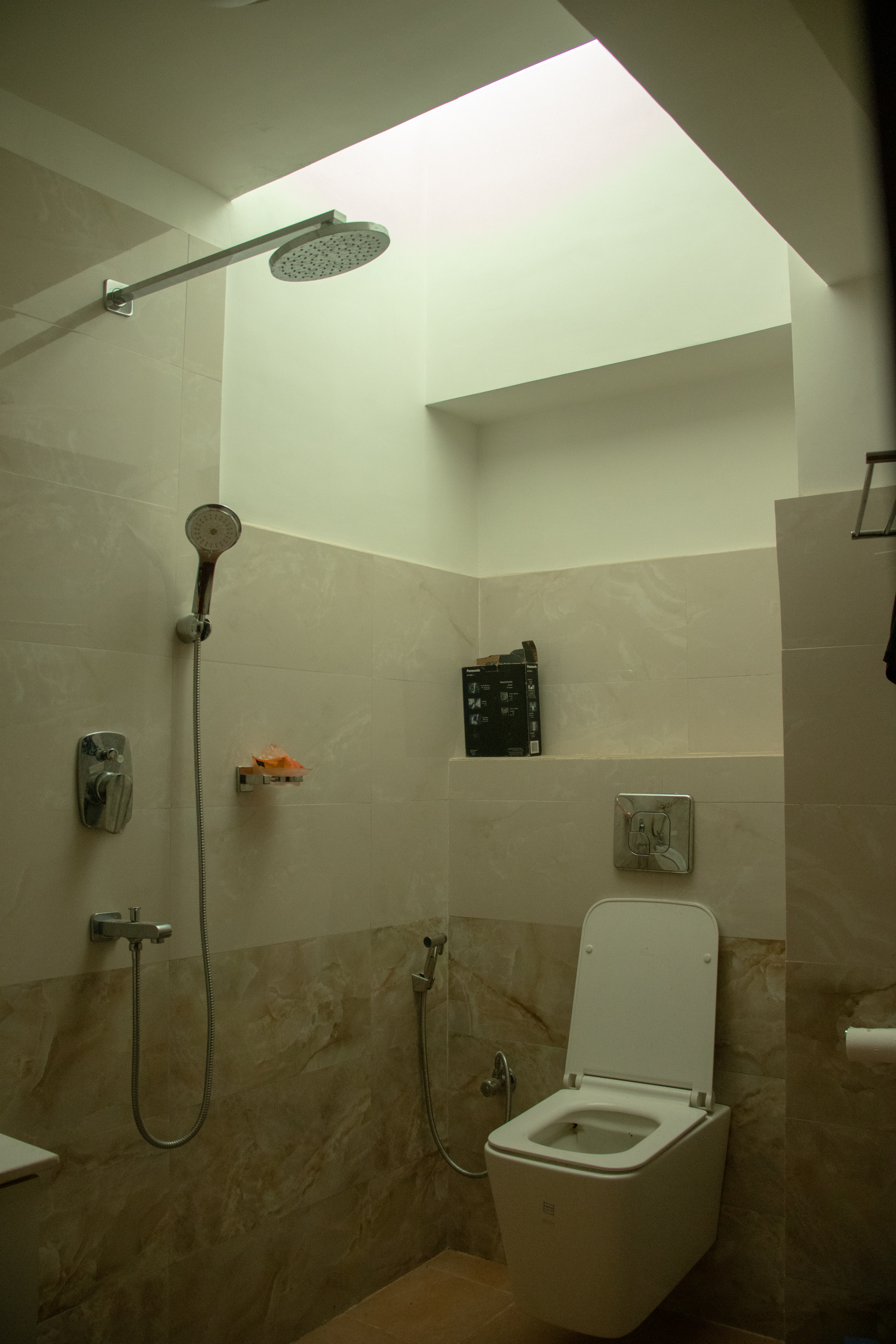
28 May 2026
Why do you need plumbing design and drawings?
Yesterday, I worked on reviewing, revising and re-drawing the
plumbing drawings of PnP house that is under construction for the past 4 months.
I asked my associate architect to work on plumbing drawings
as part of her job scope and which she worked very hard and diligently and sent
to me in the month of March. I thank myself to put these plumbing drawings as
part of the requirement while developing a complete package for architectural
design and drawings and also to the fact that I set her earlier deadline to
finish up. Usually, from my experiences of past 10 years in building design and
planning, plumbing and electrical design and planning have been two most
ignored or less considered parts of the planning and design especially in case
of smaller scale residential buildings. Plumbing design and drawings are
neither falls under the requirement of any municipality nor is of any concern
or burden to the clients and project architects because of too many aspects
during the designing process. But also, the fact is that design fees for
plumbing design and drawings have been compromised or even ignored during the
fee negotiation. Not so many clients even realize the importance of plumbing
design and drawings until the house began to face issues of water seepage,
leakage or clogging. At this time, the clients have no idea where even the hot
water pipelines are drawn inside the building because all the pipelines are
concealed.
However, the importance of plumbing design and drawings are
not only vital during the repair and maintenance but also allow earlier
discussion before laying out the pipelines that are indeed life lines of
buildings as the nerves are to flow and circulate air and blood in our body. Having
a house is one of the most satisfying parts of a life but equally important is
how efficiently and effectively the house operate for the long run. For
instance, how cold water and hot water will be running without any issues of
leakage, how you can do a minor fix by yourself instead of waiting for a
plumber to fix or to avoid breaking apart of the walls after finishing of a
house to fix missed out taps or spouts or wash basins because of the poor
planning in advance. This would demand not only loss of materials but also
money for additional labor. In other words, how do you define the spaces of
building with respect to the needs of plumbing fittings. Or even more so is how
do you allocate spaces for plumbing pipe lines such as by introducing a duct
which allows spaces to circulate the air as well as to allow the plumber access
during the repair.
Plumbing design and drawing is also central to save money
during the construction by optimizing the pipes and fittings and human labor and
need of man holes ask mangal, hand holes. However, saving money is also not
easy during the discussion between architect and client because doing so also
need to fulfill the demand of aesthetics or beauty of the building both from
exterior and interior. Not many people appreciate the building that has
plumbing pipes drawn on the façade blocking the nice plastered and textured
paints. Although there are industrial design ideas where exposing the plumbing
pipes highlights the feel and charm of the industrial era building.
The other important aspect of the plumbing design and
planning is to avoid demolition of concrete structural parts mainly floor
slabs. While I always advise clients to avoid this malpractice and call a
plumber for a meeting well in advance of actual construction of slabs and where
would be the holes in concrete cast in-situ, the plumber most of the time get
reluctant to avoid breaking the slabs. His/her main argument would be if the
hole created during the concrete cast in-situ will be misaligned, then the problem
would be to seal the hole to avoid any seepage and leakage which I totally
understand that literally there is no way to find a seal or cap for such a hole
to prevent leakage. While I still argue that breaking of slabs for the hole
creates a vibration all across the floor if not on the entire reinforced
concrete structure resulting a weakening of structure and generation of
unwanted noises during the construction. Hence, the advantage of plumbing
design and planning is that both client, architect, builder and plumber knows
exactly where the pipes will be going through after a rigorous discussion and
much needed clarity and then there is no need for a plumber to be scared of any
misalignment of pipes and potential leakage, seepage.
Plumbing design and planning constitutes a clear and
succinct layout of both water supply lines (both hot water and cold water pipe
lines), waste water from kitchen, shower, basin and taps, soil or human waste
from commode, flat toilet, urinals, surface water generated after washing of
carpets on the roof terrace, washing of car, scooter on courtyard, rain water
generated on roof terrace, verandahs and how each of these pipes are being
carefully managed to facilitate the effective and efficient management of all
kinds of water. Some houses may have permission and proximity to connect all
these pipes to the public sewer lines while others may not have this luxury or some
floor lying below the public sewer lines require septic tank and soak pit to
separately manage the wastes. These pipes are connected either to the septic
tank and soak pit or the public sewer lines by intermediary pits known as man
holes aka mangal (in Nepali) to facilitate repair and maintenance works.
There is a continuous debate though on whether some of the
plumbing pipes be exposed on the surface of the building such as those of
mainly soil and waste pipes or be concealed or hidden so that pipes are not
obstructing the beauty of the façade. So, some may prefer concealed plumbing
lines while others may prefer surface or exposed, all in all, water pipe lines
remain generally concealed as you could imagine, intricate pipe lines will ruin
the clean and chic bath room interior but those pipes will also attract too
many layers of dusts, dirt requiring intensive labor to take care of the bath
room for the long-run.
Considering all these fundamentals in mind, it took me a
solid 4 hours of labor (8am to 12pm) to review, revise and change as per
changes in space planning. The most enjoyable and satisfying part was feeling
of reward after bit of hesitant to spare time for plumbing drawings that
seemingly look a repetitive redundant piece of lines here and there. But after
taking a 4 creative action on drawings, the final outcome is truly satisfying!
First was to turn all the drawings into black and white mode including the
texts, removing the unnecessary details such as door symbols, sizes of the bath
room and all the dimensions that took a while as I had to figure out what
should be removed deliberately to stand out the plumbing lines from the jingle
of lines. The second creative effort was to assign the color to the designated plumbing
lines such as blue to symbolize cold water supply lines, red lines to mark hot
water lines, white dashed for waste water, dark green for human waste technically
known as soil pipes and dark green for rain water and surface water, the third
action was to increasing the line weight of the plumbing lines so that they
appear up and finally by minimizing the texts and annotation by arranging the
drawings so that texts can be minimized with the help of arrows. Last but not
the least, the concept of overlaying the drawings for water supply and sanitary
pipe lines provided a visual enhancement by minor changes of lines and points
in a same floor plan.
Example of drawings:

